
Tucked against the eastern wall of the Sierra Nevada, Mono County contains some of the most dramatic and pristine alpine wilderness in North America. While roadside gems like Convict Lake, June Lake, and Mono Lake draw millions of visitors annually, the true crown jewels of the region require a pair of sturdy hiking boots and a spirit of adventure. Hidden thousands of feet above the valley floor lie Mono County’s backcountry lakes—crystal-clear, glacier-carved basins surrounded by towering granite spires and wildflower-filled meadows.
Whether you are seeking a rewarding day hike or planning a multi-day backpacking expedition through the Ansel Adams or John Muir Wilderness areas, exploring these high-elevation waters offers an unforgettable connection to California’s natural heritage. Here is your definitive guide to the finest backcountry lakes in Mono County.
1. Lake Ediza (Ansel Adams Wilderness)
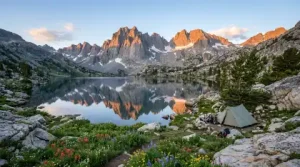
Widely considered one of the most picturesque alpine lakes in the entire Sierra Nevada range, Lake Ediza sits at an elevation of 9,265 feet directly beneath the jagged, dark volcanic faces of Mount Ritter and Banner Peak. The mirror-like reflections on its western shore make it a legendary destination for wilderness photographers.
- Trailhead: Agnew Meadows (Mammoth Lakes region)
- Distance: 12 miles round-trip (Day hike or overnight)
- Difficulty: Moderate to Strenuous
- Best Season: July through September
The trail to Lake Ediza follows Shadow Creek as it cascades over granite ledges before climbing into lush alpine meadows. Along the way, hikers pass Shadow Lake and enjoy sweeping vistas of the Minaret Range. Due to its delicate alpine ecology, camping is prohibited within 1/4 mile of Lake Ediza’s shoreline, preserving its pristine beauty for future generations.
2. Thousand Island Lake
Spanning over 300 acres at 9,833 feet, Thousand Island Lake is a vast, wind-swept aquatic wonder dotted with dozens of tiny granite islets. As the headwaters of the Middle Fork San Joaquin River, this lake offers one of the most iconic views along both the John Muir Trail (JMT) and Pacific Crest Trail (PCT).
The eastern shore of Thousand Island Lake reveals a legendary panorama: Banner Peak towering 3,000 feet directly above the water. In early summer, ice floes linger across the lake surface, giving it an arctic-like majesty. Backpackers who camp near its shores are treated to unforgettable sunrise displays when the alpenglow turns Banner Peak a brilliant reddish-gold.
Tip for Travelers: Access Thousand Island Lake via the River Trail or High Trail from Agnew Meadows. The High Trail offers continuous, unobstructed views of the Ritter Range across the canyon.
3. Saddlebag Lake & The 20 Lakes Basin
For hikers who want to experience true high-alpine lake country without a 10-mile uphill grind, Saddlebag Lake and the 20 Lakes Basin is the ultimate destination. Located just outside the eastern entrance of Yosemite National Park off Highway 120 (Tioga Pass), Saddlebag Lake sits at a staggering 10,087 feet above sea level.
The 20 Lakes Basin loop is an 8-mile moderate trail that weaves through a glacially sculpted wonderland containing dozens of interconnected tarns, ponds, and alpine lakes, including:
- Greenstone Lake: Known for its distinctive turquoise tint caused by fine glacial flour suspended in the water.
- Wasco Lake & Steelhead Lake: Quiet, pristine spots ideal for backcountry trout fishing and picnicking.
- Shamrock Lake & Lake Helen: Framed by red slate mountains and granite cliffs, showcasing the unique geological diversity of the Mono Pass area.
During summer operating months, a seasonal water taxi across Saddlebag Lake shaves two miles off the hiking distance, making this high-elevation paradise accessible for active families and casual day hikers.
4. Barney Lake (Bridgeport Region)
Situated in northern Mono County near Bridgeport, Barney Lake lies within the Hoover Wilderness. Nestled in a deep glacial canyon below the sheer northern wall of Crown Point, Barney Lake is famous for its broad, sandy beach—a rare feature for high Sierra lakes.
- Trailhead: Twin Lakes (Annett’s Mono Village)
- Distance: 8 miles round-trip
- Elevation Gain: Approx. 1,000 feet
The hike to Barney Lake follows Robinson Creek through quaking aspen groves, pine forests, and wide meadows, making it one of the premier fall foliage hikes in Mono County. Beyond Barney Lake, the trail climbs steeply toward Peeler Lake and the crest of the High Sierra, serving as a gateway for deep wilderness expeditions.
5. Steelhead Lake & Little Lakes Valley
Tucked deep in the Little Lakes Valley along the border of Mono and Inyo counties (accessed via Mosquito Flat near Rock Creek), this glacier-carved basin boasts one of the highest concentrations of alpine lakes anywhere in California. While Chickenfoot Lake and Gem Lake are popular stops along the main trail, taking the scramble up to Steelhead Lake or upper Frog Lake offers solitude surrounded by towering peaks exceeding 13,000 feet.
Essential Tips for Hiking & Camping in Mono County Backcountry
Exploring high-altitude wilderness requires preparation, respect for the environment, and adherence to safe travel practices. Keep these essential tips in mind before setting out:
1. Permits and Wilderness Regulations
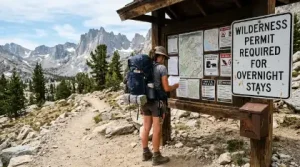
Day hikes to lakes like Saddlebag or Barney Lake do not require permits, but all overnight wilderness stays in the Ansel Adams, John Muir, or Hoover Wilderness areas require an Inyo National Forest or Humboldt-Toiyabe wilderness permit via Recreation.gov. Popular trailheads operate on a strict quota system and book months in advance during peak summer.
2. Practice Leave No Trace (LNT)
High-alpine ecosystems above 9,000 feet are fragile and take decades to recover from damage. Always pack out all trash, stay on established trails to prevent soil erosion, and camp at least 100 feet away from lakes and streams to protect delicate riparian habitats.
3. Bear Safety and Food Storage
Mono County is active American Black Bear country. When wilderness camping, mandatory food storage regulations require approved bear-resistant food canisters (bear cans). Never hang food in trees—Sierra bears are expert climbers!
4. Altitude Acclimatization
Backcountry lakes in Mono County sit between 8,500 and 10,500 feet elevation. Stay hydrated, avoid rapid exertion on your first day, and give your body time to adjust to the thinner mountain air before tackling strenuous climbs.
Experience the Untouched Beauty of the Eastern Sierra
From the granite reflections of Thousand Island Lake to the turquoise waters of the 20 Lakes Basin, Mono County’s backcountry lakes represent the pure, untamed essence of the Sierra Nevada. By treading lightly and preparing well, you can experience these breathtaking natural wonders just as early indigenous travelers and naturalists like John Muir saw them generations ago.