From the towering granite peaks of the Sierra Nevada to the high-desert sagebrush basins of Mono Lake, Mono County, California, is a haven for outdoor enthusiasts. While developed campgrounds along the Highway 395 corridor offer great amenities, nothing compares to the freedom, solitude, and budget-friendly appeal of dispersed camping—often referred to as boondocking or dry camping. With vast stretches of public lands managed by the Bureau of Land Management (BLM) and the U.S. Forest Service (USFS), Mono County offers some of the best free camping opportunities in the American West.
However, camping outside of established campgrounds comes with unique responsibilities. To ensure these pristine spaces remain open and healthy for future generations, boondockers must understand local regulations, environmental ethics, and safety protocols. Here is your ultimate guide to dispersed camping in Mono County.
Understanding Public Lands: BLM vs. USFS Land
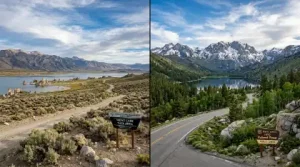
The vast majority of dispersed camping in Mono County takes place on two types of public land: the Inyo National Forest / Humboldt-Toiyabe National Forest (USFS) and the Bishop Field Office / Central Coast District (BLM). While both permit free camping on designated public acreage, understanding the boundaries and basic rules of each agency is critical.
- U.S. Forest Service (USFS): Generally covers forested mountain slopes, alpine canyons, and higher-elevation areas. Dispersed camping is allowed in most national forest areas unless explicitly posted as prohibited (e.g., within 1/4 mile of paved roads, major lakes, or developed campgrounds).
- Bureau of Land Management (BLM): Manages the lower-elevation high-desert basins, volcanic plateaus, and sagebrush plains surrounding Mono Lake, Bridgeport, and Benton. BLM land typically offers wide-open space, gravel access roads, and panoramic mountain views.
Top Regions for Dispersed Camping in Mono County
1. Mono Basin & East of Mono Lake (BLM Land)
East of Mono Lake, off Highway 120 East, lies a broad expanse of high-desert BLM terrain surrounded by pinyon pines and ancient volcanic craters. This area provides stunning, unobstructed views of the lake and the Sierra Crest to the west.
- Best For: Camper vans, overland rigs, and self-contained RVs seeking solitude and dark sky stargazing.
- Road Conditions: Dirt roads are generally well-graded near the highway, but sandy washes require caution for low-clearance vehicles.
2. Bridgeport Reservoir & Green Creek Area (BLM / USFS)
Northern Mono County near Bridgeport features several dispersed camping pockets tucked along dirt spur roads east of Highway 395 and near Green Creek Road. These spots offer quick access to world-class trout fishing and hot springs.
- Best For: Tent campers and small rigs wanting proximity to Bridgeport Reservoir and Travertine Hot Springs.
- Note: Camping is prohibited directly at Travertine Hot Springs itself; always camp in designated dispersed zones farther back on public dirt roads.
3. Mammoth Scenic Loop & Deadman Creek (Inyo National Forest)
Located in the pine-forested terrain between Mammoth Lakes and June Lake, the Mammoth Scenic Loop and Owens River Road corridors offer shaded forested campsites nestled under Jeffrey pines.
- Best For: Escaping summer heat in high-elevation pine forests close to hiking and mountain biking trails.
- Access: Numerous forest service roads (FS roads) branch off the Scenic Loop. Dirt roads can feature soft pumice soil—4WD or AWD is recommended when venturing off primary dirt tracks.
Essential Rules & Regulations for Mono County Boondocking
To keep Mono County’s public lands pristine and open to campers, adhere strictly to these agency guidelines:
1. The 14-Day Stay Limit
On both BLM and Forest Service lands in Mono County, dispersed camping is limited to 14 days within a 28-day period at any single location. After 14 days, you must move your camp at least 5 to 16 miles away (depending on the specific forest or field office district regulations).
2. Camp in Pre-Existing Dispersed Sites
Never create a new campsite or clear fresh vegetation. Look for existing dirt pull-offs, established fire rings made of rock, and hardened ground where previous campers have stayed. Always park your vehicle within one vehicle length of designated dirt roads to avoid damaging native plants.
3. Campfire Permits & Fire Restrictions
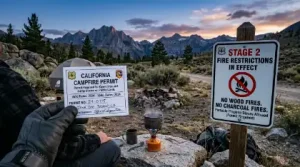
Wildfire risk in the Eastern Sierra is extremely high, especially during late summer and autumn. If fires are allowed, you must obtain a free California Campfire Permit online before lighting any open fire, camp stove, or lantern on public lands.
Crucial Safety Tip: During peak dry season, local authorities often enact Stage 1 or Stage 2 fire restrictions, prohibiting all wood or charcoal fires outside developed campsites. Always check current forest fire bans before heading out.
Practicing Leave No Trace (LNT) in Dry Environments
Dispersed campsites have zero amenities—no trash cans, no picnic tables, and no restrooms. Practicing Leave No Trace is non-negotiable:
- Pack It In, Pack It Out: Bring heavy-duty trash bags and haul all waste out with you. This includes food scraps, fruit peels, and micro-trash.
- Human Waste Management: If your vehicle lacks a built-in toilet, dig a cat-hole 6 to 8 inches deep at least 200 feet away from lakes, streams, and dry creek beds. Pack out all toilet paper in sealed plastic bags, or use portable waste bags (WAG bags).
- Respect Wildlife & Bears: Mono County is home to black bears. Store all food, scented items, and trash in bear-resistant canisters or sturdy lockable vehicles. Never leave food unattended outside.
- Water Conservation: Fresh water sources in the high desert are scarce and vital to local wildlife. Never dump soapy dishwater directly into streams or lakes; use biodegradable soap and scatter wash water at least 200 feet from natural water sources.
What to Pack for a Successful Boondocking Trip
Because you will be camping far from town services, self-sufficiency is key to a safe trip. Essential gear includes:
- Abundant Water Supply: Plan on at least 1 to 2 gallons of fresh water per person per day for drinking, cooking, and washing.
- Navigation Tools: Cell service is spotty or nonexistent in many dispersed areas. Download offline maps (such as Gaia GPS or Avenza Maps) and carry paper USFS/BLM motor vehicle use maps (MVUM).
- Recovery & Tire Gear: Traction boards, a tire pressure gauge, a portable air compressor, and a shovel are crucial if driving on sandy or rutted dirt roads.
- Warm Layers: Even in mid-summer, high-desert and alpine temperatures drop rapidly after sunset. Always pack cold-weather clothing and rated sleeping bags.
Embrace the Freedom of the Eastern Sierra
Dispersed camping in Mono County offers an unbeatable opportunity to wake up to crisp mountain air, towering pine forests, and quiet starry nights. By treading lightly, respecting fire bans, and leaving your campsite cleaner than you found it, you help preserve the wild, untamed beauty of California’s Eastern Sierra for generations to come.